Kitenge is the traditional East African colorful and bold fabric that one typically thinks of when thinking of African clothing. This fabric is used as a sarong and for clothing/tailoring. There are millions of different colors, variations of boldness and textures. This fabric lines markets and sprinkles many dirt roads as people walk along.
Naturally, I loved these fabrics. While walking around town, we stopped at a local seamstress. That is when we met Zaituni!
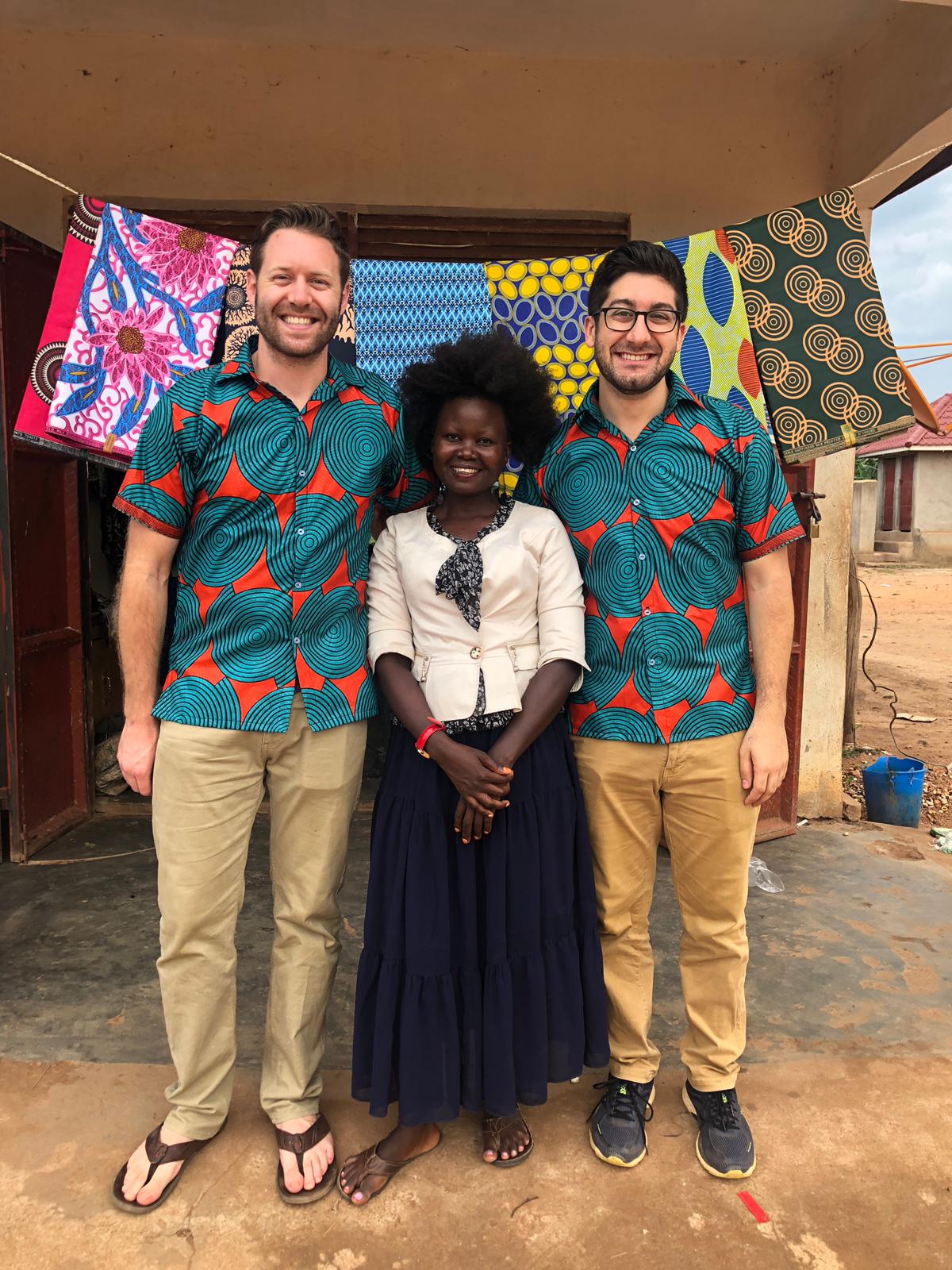
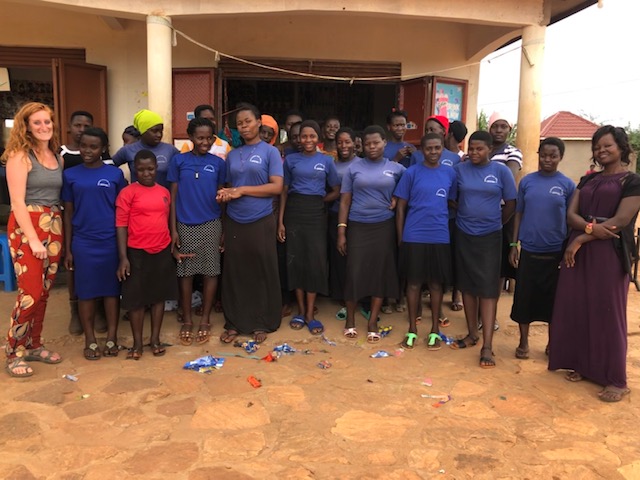
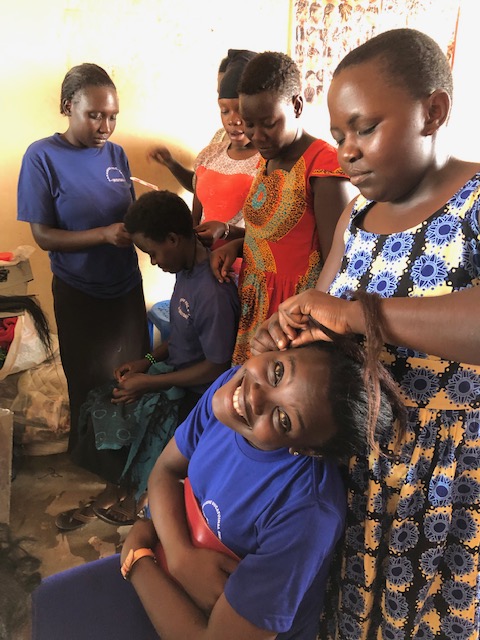
Zaituni is part of the organization Nakaseke Vocational Skill Youth Development Association. She partners with ACCESS to train women in tailoring and hair dressing; through a program called Dream Girls. You read about her previously in the Women in Construction post. This organization focuses on training unskilled women with like skills, creativity and social discipline to enable them to be self-employed. Traditionally, women are financially dependent on men, so training women with skills to make their own money will help them become more independent. (Pictures below are of all the women in the program!)
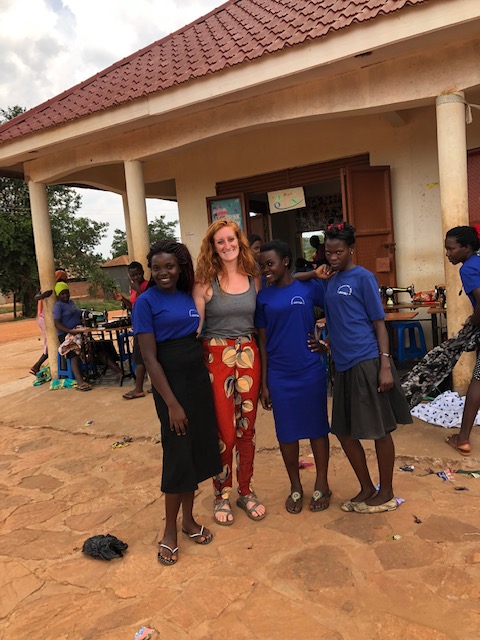
We began chatting with her and I decided to have a skirt made. When I came back the next day, my skirt was ready and it was beautiful! Robin then had a shirt made with my extra fabric. This was the start of our frequent visit to Dream Girls.
When the medical students joined us in the guesthouse, we told them about Zaituni as well. They went to her with several orders.
When Scott was visiting, I took him there to meet Zaituni and have a shirt made. We got matching shirt/dress! Right before Scott left Uganda, we were having breakfast at a bed and breakfast and they had cloth napkins made out of the kitenge fabric. I had a ton of scrap fabric from the dresses/skirts I was having made for family.. so I thought that should ask her to make some napkins. After thinking about it for a while, I had the idea to ask her to teach me how to sew!
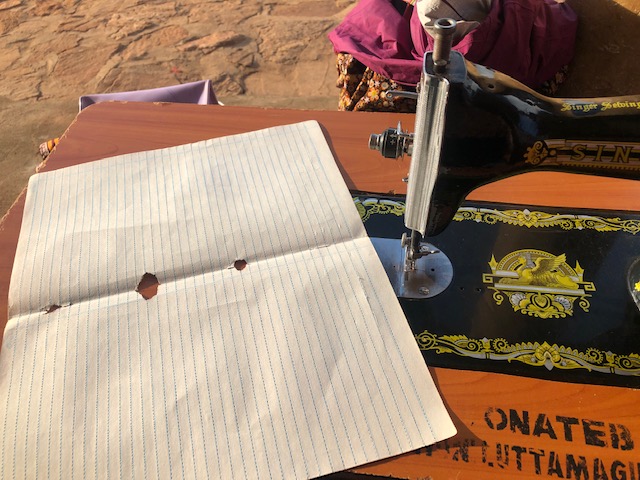
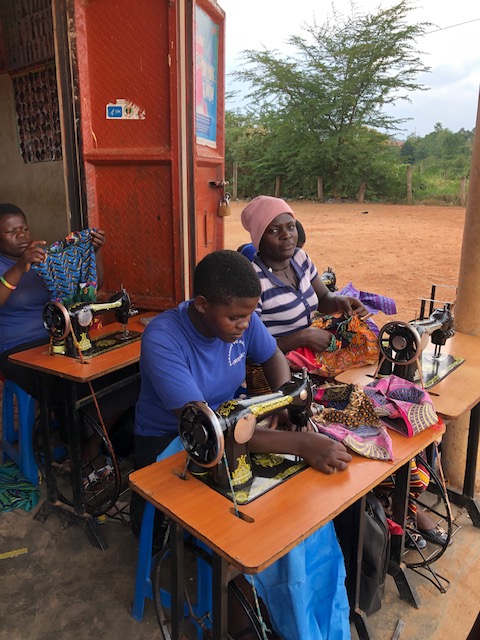
The next week I visited her and asked her if she could teach me how to sew. She was thrilled that I wanted to learn and put me on a machine right away. (These machines are the old-school, foot powered machines, not electric.) She first sat me down on the machine and showed me how to us the foot pedal. it was A LOT harder than I was anticipating.. but I eventually got the hang of it.. kind of. She then showed me the different parts of the machine, how to place the bobbin and needle, then how to wire the machine. Once I got the hang of that, she handed me a piece of paper to practice following the lines to make straight lines.
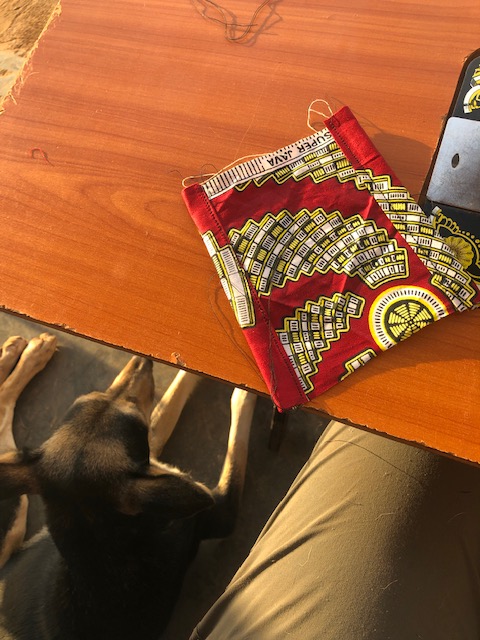
The next day I came back and practiced some more on paper then on scrap cloth. I was still struggling with the foot peddling and hand coordination. Robin and the medical students stopped by as I was learning and encouraged me as the laughed at my awkwardness.
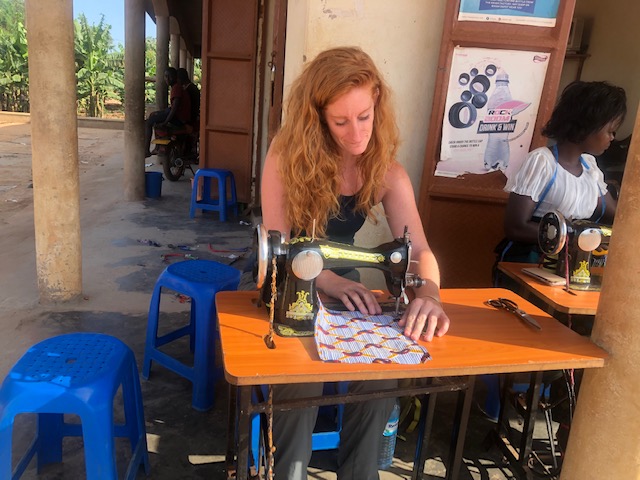
After a couple days of practicing, I was ready to start making my little napkin squares. I went everyday after lunch and hung out with Zaituni. We chatted about all kinds of things and quickly became good friends. After about 2 weeks of sewing squares, she decided I was ready to try something else, a skirt! She taught me all of the steps, from measuring, cinching the waste, placing the waistband and zipper and making a belt! I messed up a few times, but it ultimately turned out pretty decent! Then, Ziatuni decided to teach me how to make a bag. It was much easier than the skirt, but I really enjoyed making it.
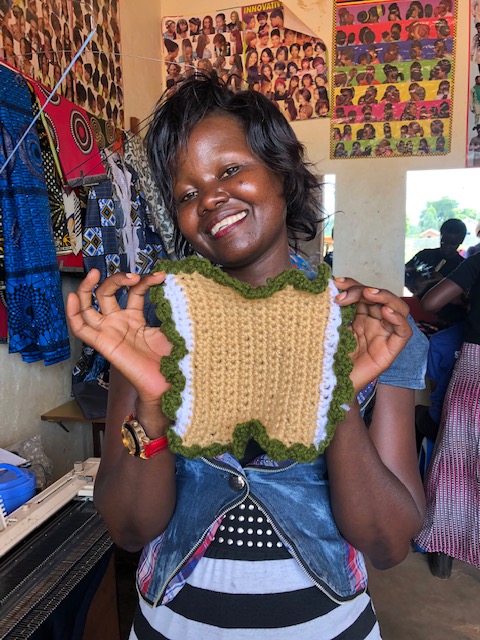
I wanted to do something for her since she was time to teach me a new skill, but wasn’t sure what at first. Then I thought that she might like to learn how to crochet. I brought some yarn (that I struggled to find in Kampala) and extra hooks (thank you Scott for bringing them for me <3) and asked her if she’d like to learn. She was extremely excited to learn. I showed her how to make a wash cloth/hot pad with basic chain stitches and double stitches; some of the most basic crocheting skills. She picked it up very fast! The next day, she came back and had the square completely finished. I then showed her a scalloped edge. It took her about 10 minutes to complete the edge. She was a natural. I gave her my extra yarn and hooks with the caveat that she use them to teach the girls how to crochet as well. Ideally the women can use this skill to crochet items to sell along side the items they tailor.
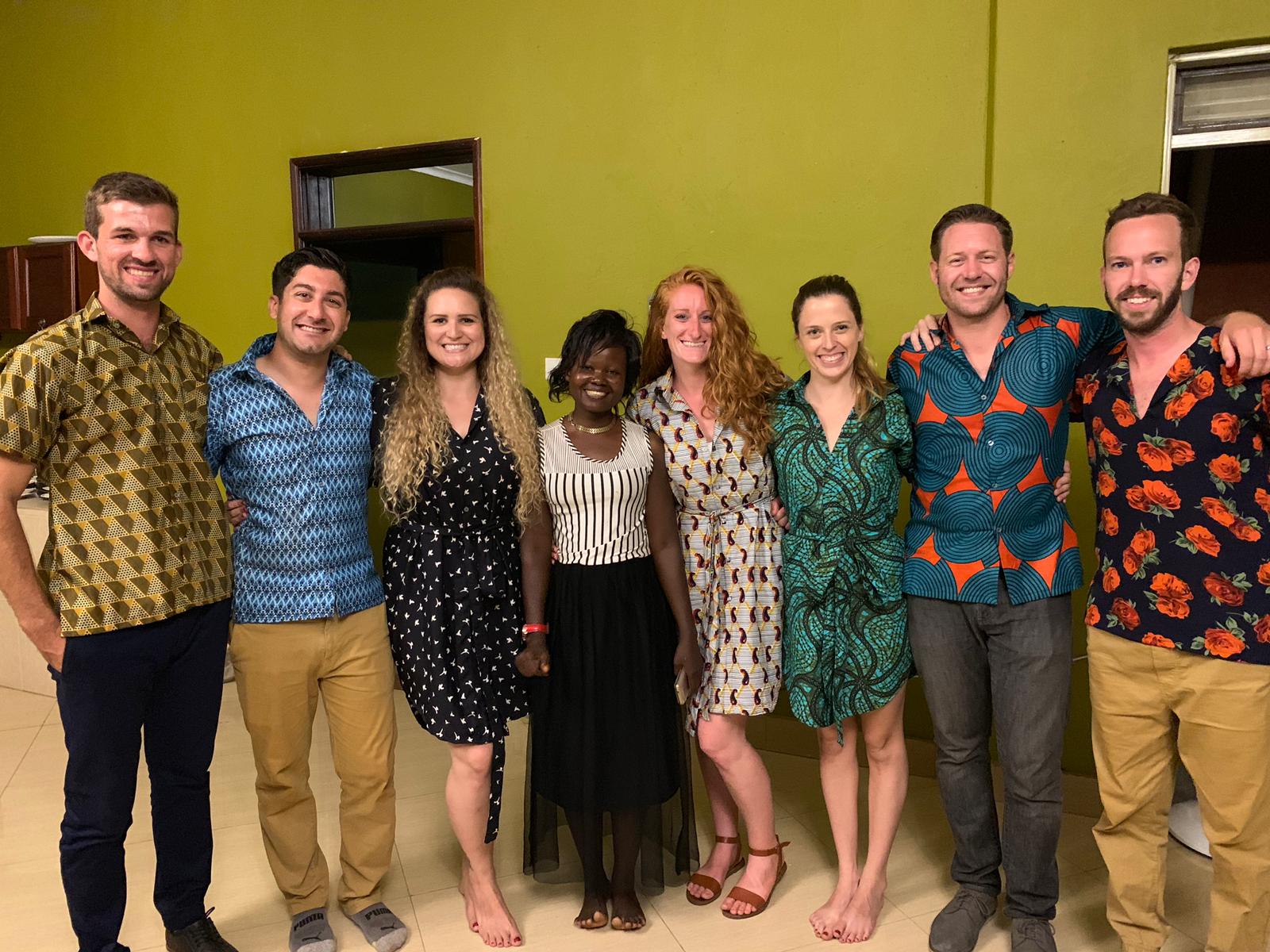
Zaituni is a wonderful teacher and friend. I really enjoyed getting to know her and learning from her. I’m definitely going to have to buy a sewing machine when I get home. Does anyone have an old school one that they don’t want anymore?!
 Red Rover